All Blogs
Finding Calm in Clay: The Art of Mindful Making
In the quiet hum of a pottery studio, there’s a kind of peace that’s hard to find anywhere else. Pottery isn’t just about creating something beautiful.
Published on
Jun 8, 2024
The Quiet Power of Clay
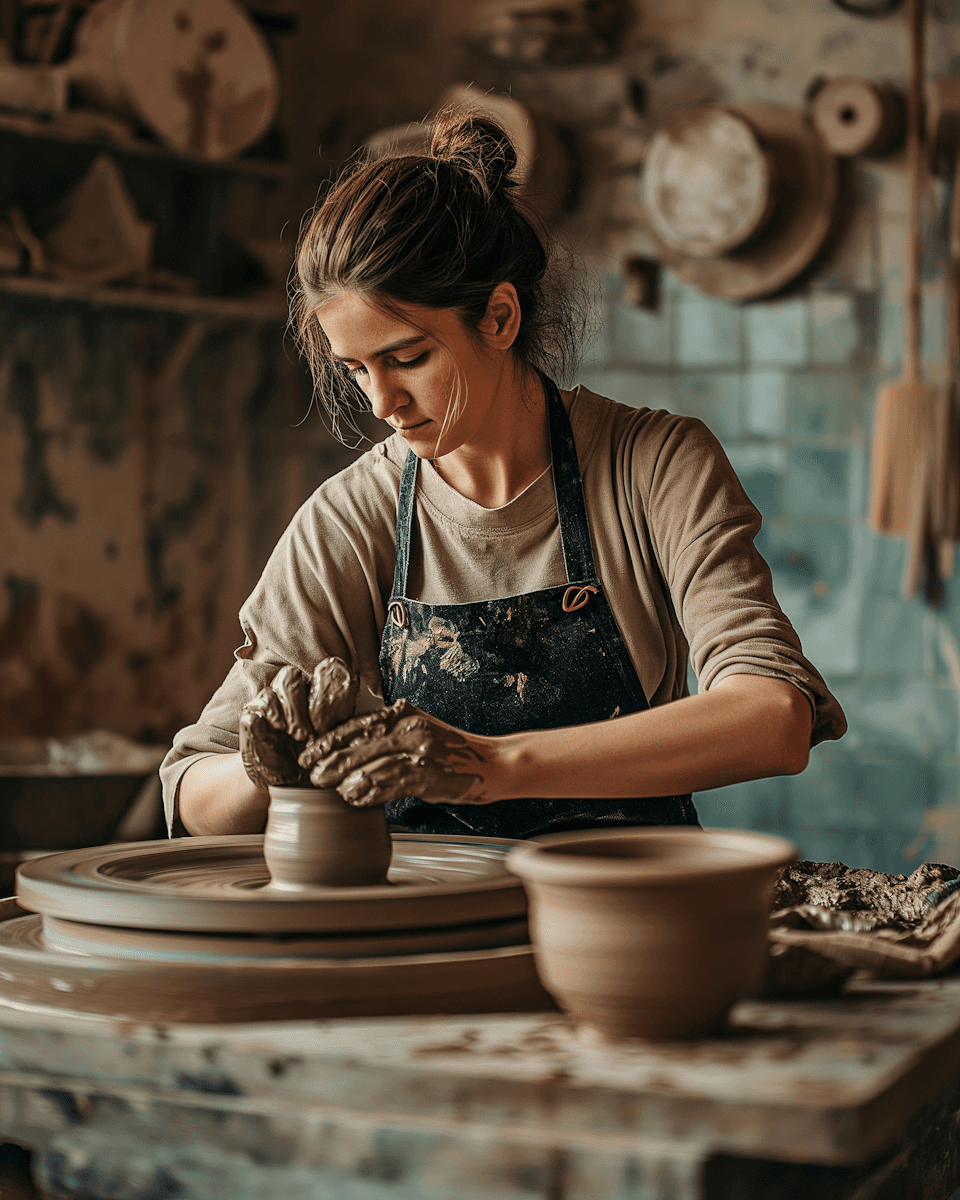
In a world full of noise, pottery invites silence. The simple act of molding clay — feeling its texture, its resistance, its softness — brings you into the present moment. It’s an art form that doesn’t rush. You can’t hurry clay; it demands patience and attention.
Many artists say that once the wheel starts spinning, everything else fades away. The hum of thoughts quiets, and what’s left is a deep focus — the same kind of mindfulness people seek through meditation.
Creating Connection Through Touch
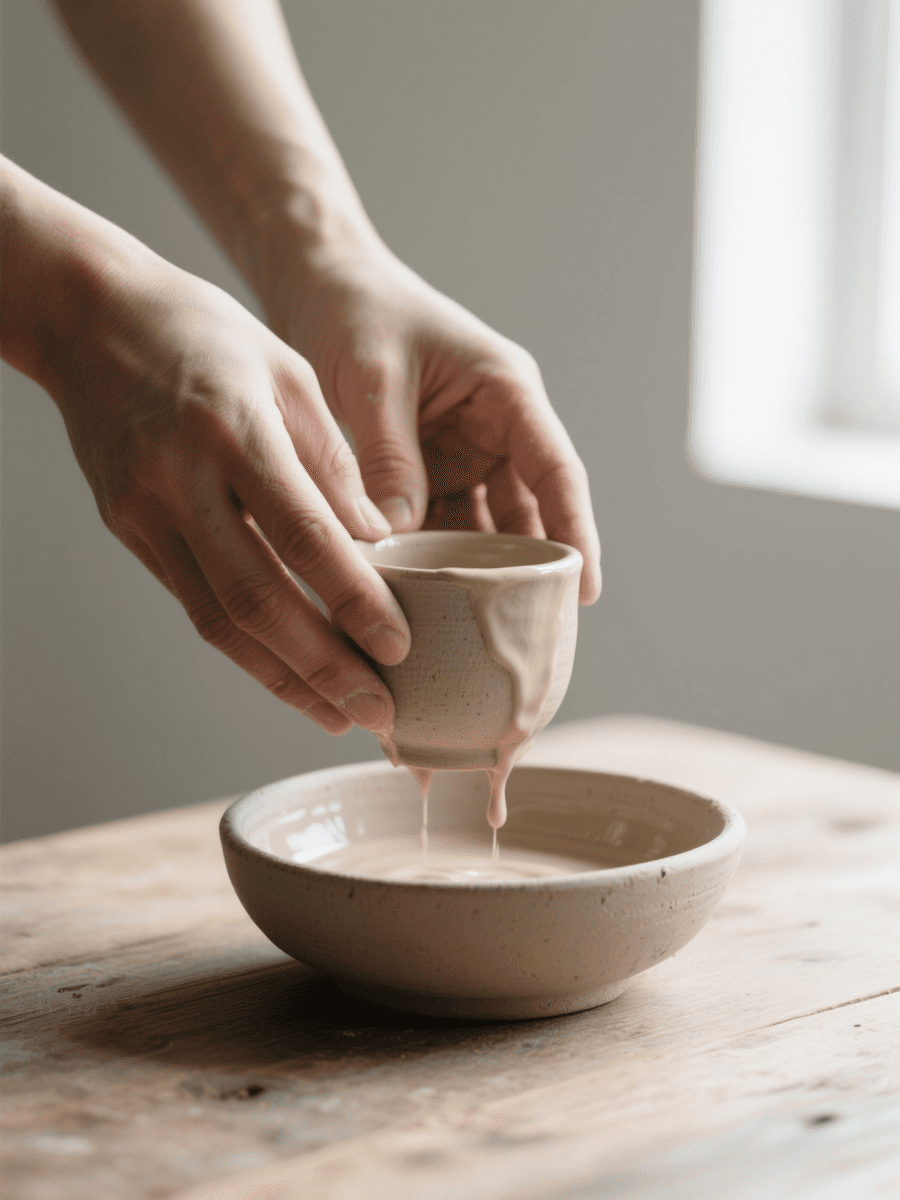
Working with clay is one of the most physical forms of art. You’re not just using tools — you’re using your hands, palms, fingertips, even your breath. Every small touch influences the shape and balance of the piece.
This direct connection between your body and the material creates a dialogue that feels almost ancient. It reminds us of something humans have done for thousands of years: shape, form, and create with nature.
It’s no wonder pottery is used in art therapy — it grounds us, literally and emotionally.
When Art Becomes Meditation
There’s a moment in pottery where you stop thinking and just feel. The repetitive rhythm of the wheel, the slow motion of your hands — they guide your mind into stillness. You stop worrying about the outcome and start enjoying the process.
That’s where mindfulness happens. You learn to be patient, gentle, and forgiving — not just with clay, but with yourself.
From Chaos to Creation
At first, clay feels messy and stubborn. But slowly, as you work with it, it begins to change shape — just like your thoughts when you give them time and attention. Pottery teaches one of the most important life lessons: beauty comes from persistence.
Every failed attempt, every crack, every uneven rim — it’s all part of the learning. The more you embrace imperfection, the closer you get to peace.
Final Thoughts
Clay doesn’t just shape into art — it shapes you. It teaches patience, mindfulness, and balance. In every workshop, in every practice session, there’s more happening than what meets the eye. You’re not just making pottery; you’re finding yourself in the process.
So next time you sit at the wheel, take a deep breath. Let the world slow down. Let the clay guide you home.