All Blogs
Pottery as a Mindful Practice: Finding Calm in Clay
In a world that moves too fast, pottery offers a rare gift: the chance to slow down, breathe, and be fully present. Every pinch, coil, and spin of clay invites mindfulness, turning the act of creation into meditation.
Published on
Jan 28, 2025
The Rhythm of the Wheel
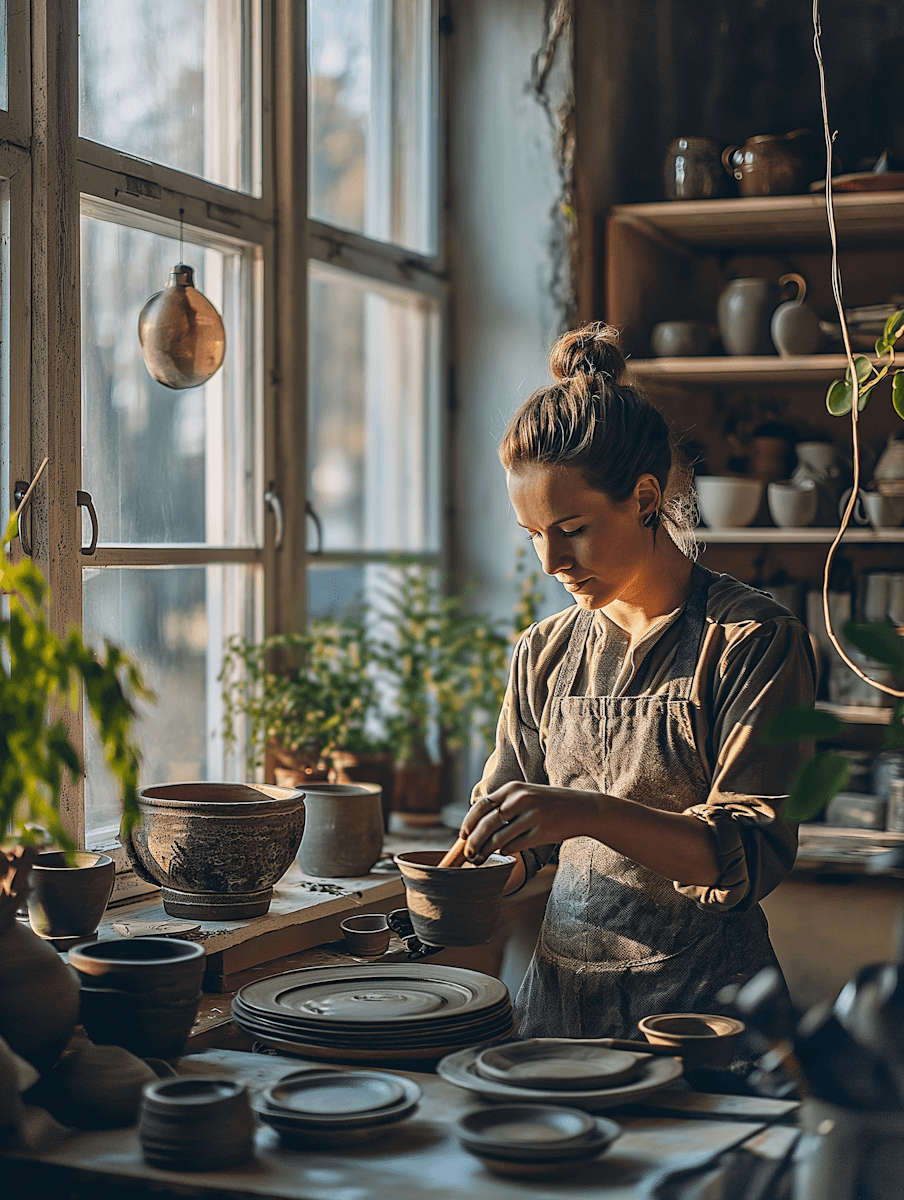
The pottery wheel has its own rhythm — a gentle, steady spin that mirrors the heartbeat. As hands press and guide the clay, the mind naturally aligns with this cadence. Each motion requires attention, but not tension; every imperfection is part of the process, a reminder to accept what is.
This rhythm helps quiet mental chatter, focusing the mind on the present. Pottery becomes a moving meditation, where time slows and each moment is fully experienced.
Touch as Mindfulness
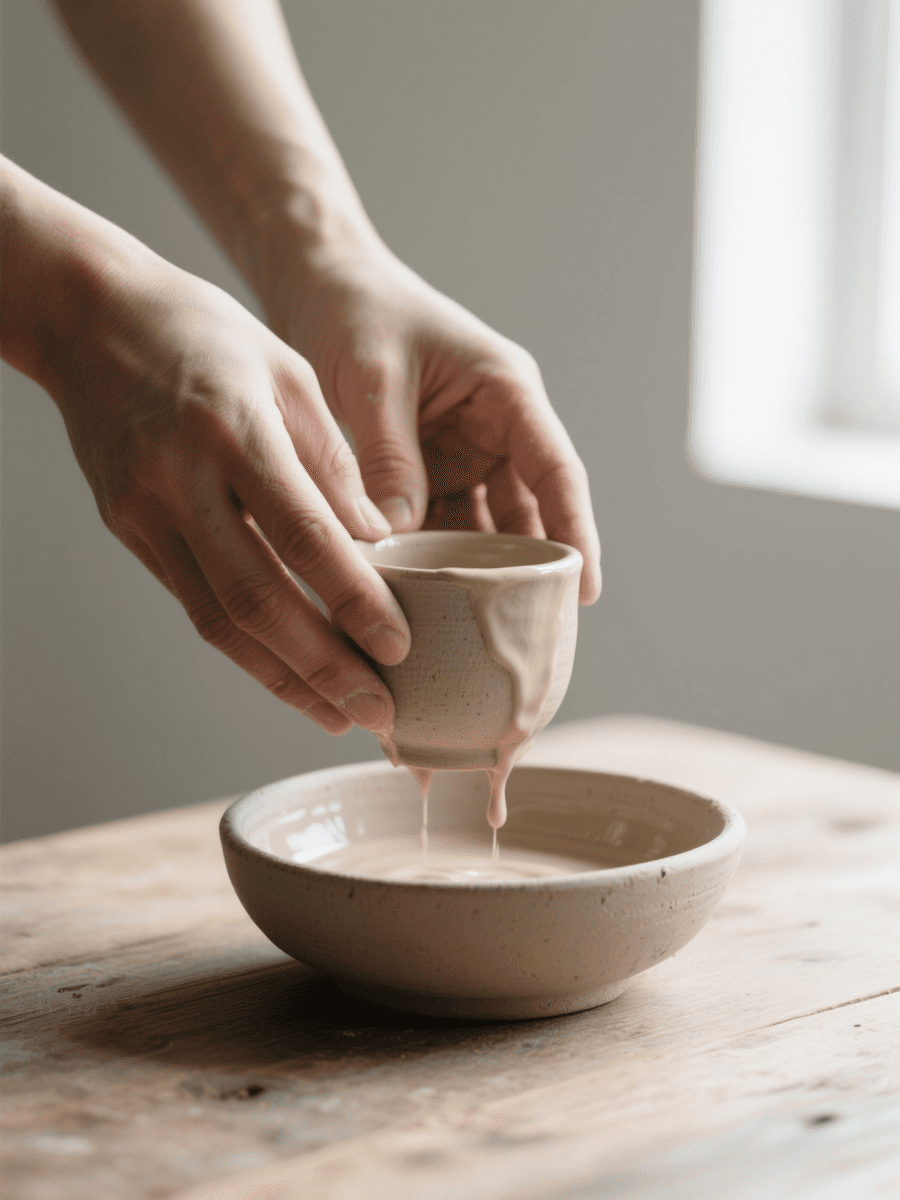
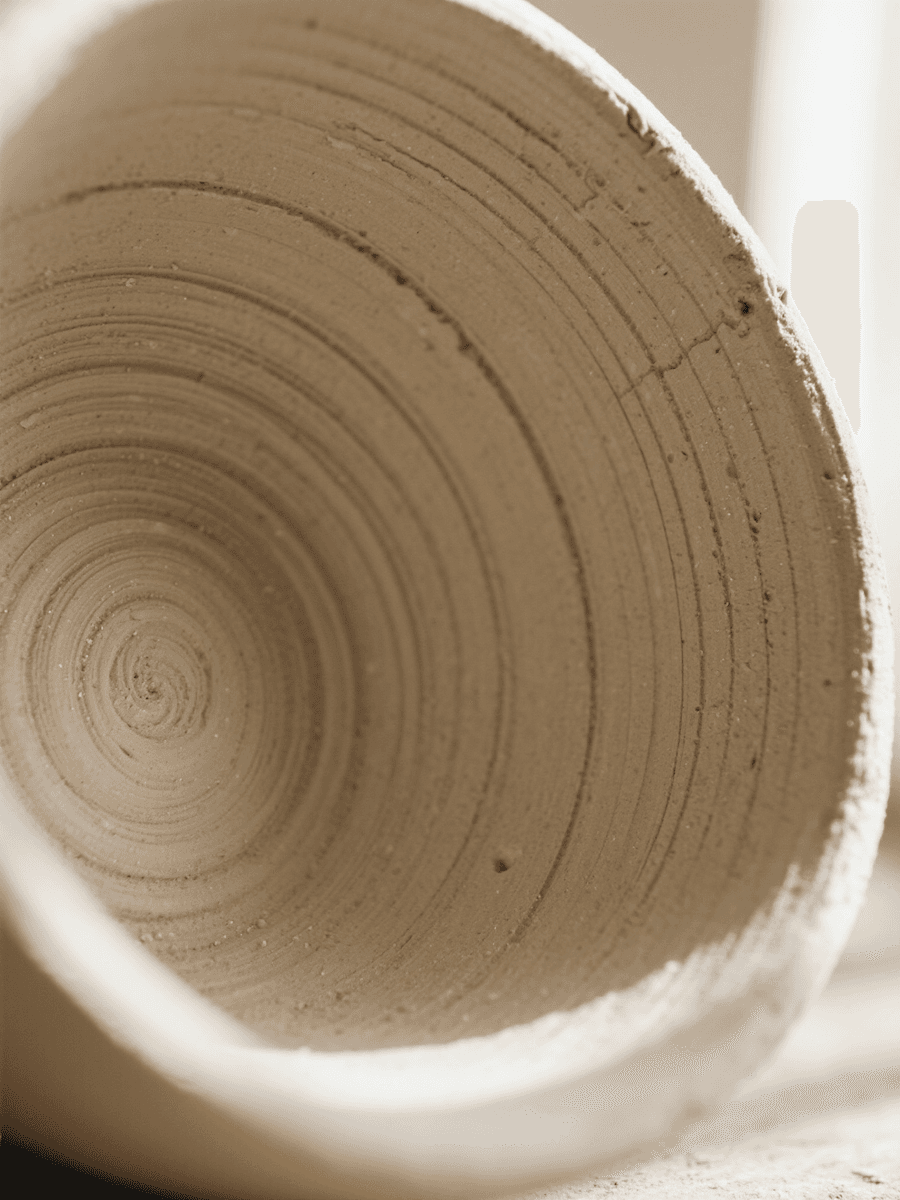
Clay is responsive. It reacts to pressure, warmth, and movement, creating a tactile dialogue between maker and material. Feeling its texture, noticing its temperature, and observing how it changes under your hands brings you fully into the present moment.
Unlike digital screens or mechanical tools, clay offers sensory feedback — soft, moist, cool, and malleable. These sensations anchor you, making the mind more aware, calm, and centered.
Flow and Letting Go
Mindful pottery encourages flow — the state of being completely absorbed in an activity. Each turn of the wheel or shaping of clay requires attention, yet allows for freedom. Mistakes are not failures; they are opportunities to adapt, improvise, and explore new forms.
In this flow, worries fade. Thoughts untangle. The process itself becomes the reward. Pottery teaches patience, resilience, and acceptance — valuable lessons that extend beyond the studio into everyday life.
Emotional Resonance
Engaging with clay awakens emotions. Joy, nostalgia, serenity, even frustration — all emerge as part of the creative process. Unlike commercial objects, handmade pottery carries traces of the maker’s mood and intention, making each piece an emotional artifact.
When you shape clay mindfully, you nurture not only the material but also yourself. The slow, deliberate movements create a sense of accomplishment, calm, and self-connection that lingers long after the clay is shaped.
Simple Ways to Practice Mindful Pottery at Home
Even without a studio, you can bring mindfulness into pottery practice:
Start small: Use a lump of clay for pinch pots or small sculptures.
Focus on sensation: Pay attention to texture, temperature, and movement.
Breathe with the clay: Synchronize your breath with your hands’ motion.
Observe, don’t judge: Accept imperfections as part of the process.
Reflect afterward: Take a moment to notice how you feel, appreciating the calm and connection you cultivated.
Through these small rituals, pottery becomes a form of meditation — quiet, grounding, and deeply rewarding.
Closing Thought
Pottery reminds us that creation can be slow, deliberate, and full of intention. By engaging with clay mindfully, we cultivate patience, focus, and emotional awareness. Each shaped bowl or pressed pot becomes more than a vessel; it is a reflection of presence, care, and mindfulness. In clay, we find not just art, but stillness, balance, and connection to ourselves and the world around us.